
Lo-Fi & Chill
•
By Jada Osei
Best Jazz Sample Packs for Beat Makers (2026)
We tested the top jazz sample packs for chop-ability, harmonic richness, noise floor, and how well the loops sit in a lo-fi or boom bap beat.
Read Review →
Lo-fi is not lazy production. It is deliberate imperfection.
The crackle under the snare, the warble in the piano sample, the kick that sounds like it was recorded in a basement in 1974 — all of it is intentional. We test lo-fi sample packs by building full beats, checking how each element breathes in a mix and whether the texture adds soul or just noise.
Lo-fi is not lazy production. It is deliberate imperfection.
The crackle under the snare, the warble in the piano sample, the kick that sounds like it was recorded in a basement in 1974 — all of it is intentional. We test lo-fi sample packs by building full beats, checking how each element breathes in a mix and whether the texture adds soul or just noise.
We tested the top jazz sample packs for chop-ability, harmonic richness, noise floor, and how well the loops sit in a lo-fi or boom bap beat.
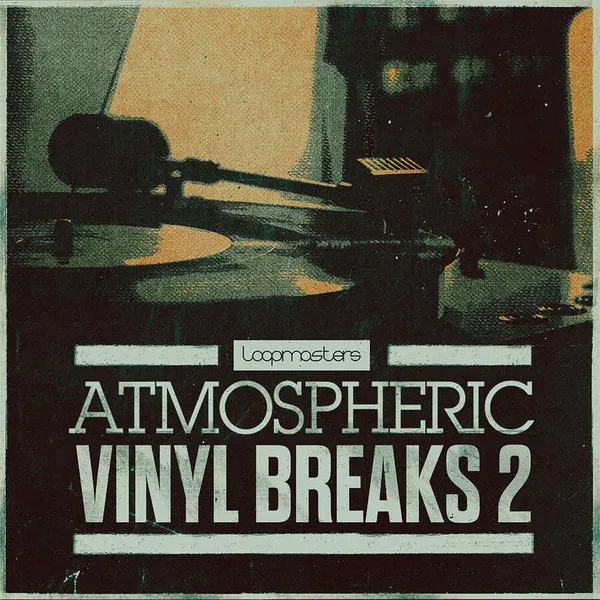
We tested the top vinyl crackle and texture packs for noise character, loop-free authenticity, and how naturally the hiss and dust sit under a lo-fi beat.

We tested the top R&B and neo-soul sample packs for chord warmth, vibe, and how much space the loops leave for a vocal to sit on top.
Dusty drums, vinyl crackle, and tape-warped melodies. We tested the top lo-fi sample packs for texture quality, inspiration rate, and real beat session usability.
A collection of drums, melodies, and textures processed to sound worn, warm, and imperfect. Think vinyl hiss, bit-crushed drums, slightly out-of-tune piano. The imperfection is the point.
No. Good lo-fi packs give you texture without forcing a specific era. You want control over how much degradation you apply, not pre-baked retro that you cannot adjust.
Vinyl emulation (iZotope Vinyl is free), tape saturation (RC-20 Retro Color is the standard), and a good bit-crusher. Most lo-fi packs are designed to work alongside these tools.
Typically 70-90 BPM. Boom bap ranges 85-95 BPM. Chill hop sits around 75-85 BPM. There is no rule, but going above 100 BPM starts to lose the relaxed feel.