

Best Lo-Fi Plugins for Chill Beat Makers (2026)

A low-pass filter and some vinyl crackle does not make a beat lo-fi. What sells the illusion is pitch instability, because nothing digital drifts, and the ear notices that long before it notices the noise.

We buy most of what we test. When you buy through a link on this page we may earn a commission, which never affects our picks or verdicts. How we work.

Jada Osei
By Jada Osei

Pick one in 10 seconds

Short version

Compare all 7

RC-20 Retro Color v2
1. RC-20 Retro Color v2 XLN Audio Best for Full Treatment
9 /10
Was $129Now $99 -23% off View price
Lofi Keys
2. Lofi Keys Karanyi Sounds Best for Dusty Keys
8 /10
Old Tape Piano
3. Old Tape Piano Wavesfactory Best for Worn Piano
8 /10
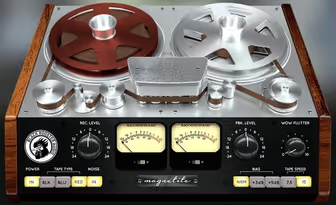
Magnetite
4. Magnetite Black Rooster Audio Best for Budget Tape
8 /10
Was $49Now $19 -61% off View price
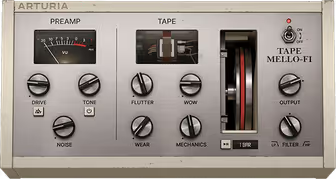
Tape MELLO-FI
5. Tape MELLO-FI Arturia Best for Tape Wobble
8 /10
LoFi
6. LoFi DopeSONIX Best for Fast Sketching
8 /10
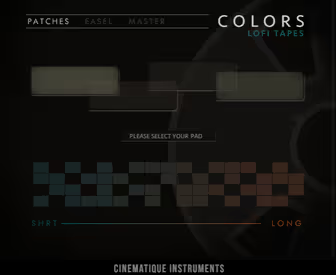
Colors: Lofi Tapes
7. Colors: Lofi Tapes Cinematique Instruments Best for Tape Textures
8 /10

Lo-fi is a production aesthetic built on imperfection, and the mistake most producers make is reaching only for the obvious parts of it. Rolling off the highs and layering vinyl crackle over a clean beat produces something that sounds like a clean beat with crackle on it. What actually sells the illusion is pitch instability, because tape and vinyl both drift and nothing digital does, and the ear registers that inconsistency as age faster than it registers frequency content.

How we picked

Every plugin was judged on the same material: a clean digital Rhodes chord, a programmed drum loop, and a bright sampled melody. We assessed the realism of the pitch instability, the quality and variety of the noise sources, how much character was added before the signal became unusable, and how convincingly the result read as an old recording rather than a filtered new one. How we work →

Top Picks

RC-20 Retro Color v2 by XLN Audio
01 XLN Audio

RC-20 Retro Color v2

Best for Full Treatment Our rating 9/10
Was $129Now $99 -23% off at Plugin Boutique
View price

The complete lo-fi treatment on one knob, with wobble that genuinely convinces. Easy to overdo, and not cheap.

The good

  • Wobble module sells the tape illusion
  • Noise sources are real recordings
  • Six modules replace several plugins
  • One knob scales the entire effect

The bad

  • Very easy to overdo in one gesture
  • Modules cannot be balanced independently
  • Expensive for a character effect
Type
Multi-module degradation effect
Character
Complete lo-fi treatment
Best on
Keys and melodic loops
Format
VST / AU / AAX
Platform
macOS / Windows
License
Perpetual
Why we rated it that way

Our rating, by criterion

  • Wobble realism 9.5

    Tuning drift reads as tape immediately.

  • Noise quality 9.5

    Real recordings rather than generated hiss.

  • Speed to result 9.5

    Whole aesthetic on one magnitude knob.

  • Fine control 6.0

    Modules move together, easy to overshoot.

Why we picked it

Best for producers who want the complete lo-fi treatment from one plugin, with real recorded noise sources and convincing tape wobble on a single intensity control.

Who should skip it

Avoid if you want granular control over each element, because the magnitude knob moves all six modules together and overshooting takes one gesture.

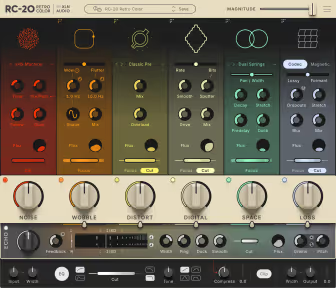
RC-20 is the plugin most responsible for how modern lo-fi sounds, and it remains the fastest route to the whole treatment.

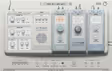
Six modules cover the entire lo-fi vocabulary in one window. Noise supplies vinyl crackle and tape hiss from real recordings, wobble handles the pitch instability, distort adds saturation, digital reduces bit depth, filter shapes the tone, and space adds ambience. The magnitude control scales all of them together, so the whole aesthetic moves on one knob rather than six.

The wobble module is why this is first. Applied to the clean Rhodes chord at a slow rate and modest depth, it introduced the small tuning drift that immediately reads as tape, and no amount of filtering achieves the same thing.

On the bright sampled melody a faster wobble produced the fluttery quality of a worn cassette. The noise sources being actual recordings rather than generated hiss also matters, because generated noise sounds static in a way real crackle does not.

The friction is that it is easy to ruin things quickly. The magnitude knob makes going too far a single gesture, and because every module moves together you can end up with wobble you did not want while chasing more noise.

Used across a whole mix it accumulates fast. At ninety-nine dollars it is not cheap for what is fundamentally a well-made character effect, and a patient producer could approximate much of it with stock tools and a noise sample.
Check price — $99
Lofi Keys by Karanyi Sounds
02 Karanyi Sounds

Lofi Keys

Best for Dusty Keys Our rating 8/10
$49 at Plugin Boutique
View price

Keys recorded through the wear rather than processed after it. Responsive and authentic, and permanently dusty.

The good

  • Degradation captured, not applied afterwards
  • Saturation responds to velocity naturally
  • Usable with nothing on the channel

The bad

  • Cannot be made clean
  • Keyboard instruments only
  • One element rather than a production tool
Type
Sampled keyboard instrument
Character
Pre-worn and warm
Best on
Chord progressions
Format
VST / AU / AAX
Platform
macOS / Windows
License
Perpetual
Why we rated it that way

Our rating, by criterion

  • Authenticity 9.5

    Saturation responds to playing dynamics.

  • Immediate usability 9.5

    Chords sit correctly with no plugins.

  • Noise matching 9.0

    Noise is tonal to the instruments.

  • Flexibility 4.5

    Character is baked in and irreversible.

Why we picked it

Best for lo-fi producers who want keys that arrive already worn, with saturation that responds to playing dynamics rather than being applied afterwards.

Who should skip it

Avoid if you might want these instruments clean, because the degradation is recorded into the samples and cannot be removed.

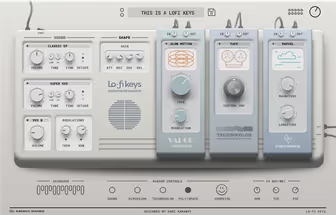
Lofi Keys skips the processing question entirely by recording the instruments through the degradation in the first place.

There is a real difference between a clean recording that has been aged and a recording that was made through a worn signal path, and it comes down to how the degradation interacts with the performance. When a note is played into a saturating tape machine, the saturation responds to the attack, so louder notes distort more.

Apply the same saturation afterwards to a finished recording and that relationship is lost. These instruments were captured the first way, and the keys have a responsiveness that processed samples do not.

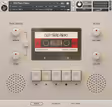
The library covers upright piano, electric piano, and organ, all with the tuning slightly off and the tone already rolled back, so a chord sounds correct with no plugins on the channel. I played a progression and it needed nothing, which for lo-fi is unusual. The built-in noise and character controls let you push further without adding a separate effect, and the noise is tonally matched to the instruments rather than generic.

The friction is that the character is fixed. If you want these keys clean you cannot have them, because the degradation is in the samples, and a track that needs a bright piano has to look elsewhere.

The library is also keys only, so it is one element rather than a production tool. At forty-nine dollars it is fairly priced for the recording quality, and it is a purchase that saves time rather than one that adds capability.

Check price — $49
Old Tape Piano by Wavesfactory
03 Wavesfactory

Old Tape Piano

Best for Worn Piano Our rating 8/10
$59 at Plugin Boutique
View price

One neglected upright piano, sampled deeply, with the wear on separate faders. Narrow and very good at it.

The good

  • Uneven detuning matches a real neglected piano
  • Mechanical key noise on its own fader
  • Deep sampling from a single-instrument focus

The bad

  • Cannot be tuned properly
  • Only covers one instrument
  • Clashes with precisely tuned melodies
Type
Sampled piano instrument
Character
Detuned and mechanical
Best on
Piano progressions
Format
VST / AU / AAX
Platform
macOS / Windows
License
Perpetual
Why we rated it that way

Our rating, by criterion

  • Detuning realism 9.5

    Uneven across the keyboard like a real piano.

  • Layer control 9.5

    Tape, key noise, and drift adjust separately.

  • Sampling depth 9.0

    One instrument covered thoroughly.

  • Scope 4.5

    A single instrument, nothing else.

Why we picked it

Best for producers who want an authentically detuned upright piano with adjustable tape noise, mechanical key noise, and pitch instability as separate layers.

Who should skip it

Avoid if you need a piano that can be tuned properly, because the uneven detuning is sampled in and clashes with precise melodic elements.

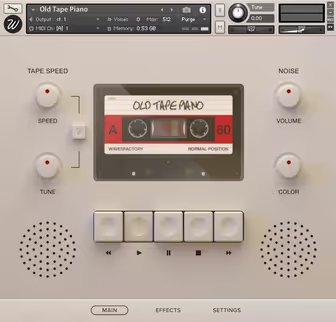
One instrument, done thoroughly. An out-of-tune upright piano committed to tape, with the wear left in.

The narrowness is the point. This does an old, slightly out-of-tune upright piano recorded to tape and nothing else, which means the sampling could go deep on one thing rather than spreading across a library. The detuning is uneven across the keyboard the way a real neglected piano is, so a chord has small beating between notes that produces the specific unsettled quality lo-fi producers spend a long time trying to fake with a chorus.

The separate controls for tape noise, mechanical key noise, and pitch instability are the practical strength. Mechanical noise in particular, the sound of hammers and key action, is what makes a sampled piano feel physical, and having it as an adjustable layer rather than baked in is more useful than the other pre-worn instruments here manage. Pulling the tape noise down and leaving the key noise up gives a dry, intimate, close-recorded piano that still feels old.

The friction is scope. It is one instrument, so eighty percent of a lo-fi production still needs sourcing elsewhere, and a producer who does not use piano regularly will not open it.

The uneven detuning that gives it character also means it can clash with precisely tuned melodic elements, and there is no way to tune it properly. At fifty-nine dollars it is fair for a single deeply sampled instrument, and it is a narrow purchase by design.

Check price — $59
Magnetite by Black Rooster Audio
04 Black Rooster Audio

Magnetite

Best for Budget Tape Our rating 8/10
Was $49Now $19 -61% off at Plugin Boutique
View price

Real tape saturation for nineteen dollars. The best value here, and it needs a wobble plugin beside it.

The good

  • Genuine tape saturation at a very low price
  • Tape speed changes frequency response properly
  • Softens transients on rigid programming
  • Fast to dial in with few controls

The bad

  • No wobble or pitch instability
  • Plain interface with minimal metering
  • Incomplete as a standalone lo-fi tool
Type
Tape saturation effect
Character
Warm and soft
Best on
Drums and busses
Format
VST / AU / AAX
Platform
macOS / Windows
License
Perpetual
Why we rated it that way

Our rating, by criterion

  • Value 10.0

    Genuine tape colour at nineteen dollars.

  • Transient softening 9.0

    Rigid programmed patterns feel less mechanical.

  • Speed modelling 8.5

    Tape speed genuinely changes response.

  • Lo-fi completeness 5.0

    No pitch instability at all.

Why we picked it

Best for producers on a budget who need genuine tape saturation, transient softening, and speed-dependent frequency response for under twenty dollars.

Who should skip it

Avoid as your only lo-fi plugin, because it has no pitch instability and warmth without drift does not read as an old recording.

Magnetite costs nineteen dollars and does the saturation half of lo-fi properly, which is most of what a budget setup needs.

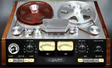
Saturation and wobble are the two pillars of lo-fi processing, and the wobble plugins here are expensive. Magnetite covers the saturation pillar for nineteen dollars, with tape speed selection that genuinely changes the frequency response, bias adjustment that alters how the high end compresses, and a noise floor that behaves like tape rather than like added hiss.

On the programmed drum loop it did the thing tape does best, softening the transients so a rigid pattern felt less mechanical, and the low-speed setting rolled off the top in a way that sounded like a limitation of the medium rather than an EQ move. On the bright sampled melody it took the edge off and added warmth in the low mids. Both results were achieved in under a minute because the control set is small.

The friction is the absence of wobble, and it is a significant gap for lo-fi specifically. Without pitch instability you have warmth and no age, so this needs pairing with something that drifts, whether that is a paid plugin or a stock chorus used carefully.

The interface is plain and the metering is minimal. Judged as a complete lo-fi tool it is incomplete, and judged as nineteen dollars of tape saturation it is the best value on this list.

Check price — $19
Tape MELLO-FI by Arturia
05 Arturia

Tape MELLO-FI

Best for Tape Wobble Our rating 8/10
$49 at Plugin Boutique
View price

The most believable wobble here, modelled on a genuinely unreliable machine. Narrow, and priced like it is not.

The good

  • Most convincing pitch instability on this list
  • Small control set, fast to dial in
  • Hard to make an accumulating mess with

The bad

  • Tape only, no vinyl or bit reduction
  • Fewer noise sources than rivals
  • Poor value outside an Arturia sale
Type
Tape degradation effect
Character
Mechanical and unstable
Best on
Keys and pads
Format
VST / AU / AAX
Platform
macOS / Windows
License
Perpetual
Why we rated it that way

Our rating, by criterion

  • Wobble realism 10.0

    Mechanical irregularity, not an LFO sweep.

  • Speed to result 9.5

    Usable in under a minute, few controls.

  • Noise variety 7.0

    Good, but fewer sources than RC-20.

  • Value 5.5

    RC-20 money for a fraction of the scope.

Why we picked it

Best for producers who want the most convincing tape wobble available, modelled on a specific mechanically unreliable transport rather than a generic modulation.

Who should skip it

Avoid if you want a complete lo-fi chain, because it covers tape only and costs the same as plugins that do considerably more.

Tape MELLO-FI models one specific unreliable tape mechanism, and that specificity makes its wobble the most convincing here.

The Mellotron played back short tape strips pulled across a head by a mechanism that was famously inconsistent, and that inconsistency is what Arturia modelled. The wow and flutter here have a particular character, slower and less regular than a generic modulation, and on the clean Rhodes chord it produced drift that sounded mechanical rather than like an LFO sweeping pitch. That distinction is subtle and it is the whole difference between convincing and not.

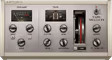
The control set is deliberately small, which suits the job. Wow, flutter, noise, drive, and a mechanical instability control, plus filtering, and that is essentially it. Getting a usable result took under a minute on all three test sources, and because there are no modules to balance there is much less scope for the accumulating mess that a larger plugin invites.

The friction is range. It does tape and it does not do vinyl, bit reduction, or space, so it is one part of a lo-fi chain rather than the whole thing.

The noise, while good, has fewer source options than RC-20 offers. Priced at ninety-nine dollars it is the same as RC-20 while doing considerably less, which is hard to defend on paper, and it appears in Arturia bundles and sales often enough that most people should wait for one.

Check price — $49
LoFi by DopeSONIX
06 DopeSONIX

LoFi

Best for Fast Sketching Our rating 8/10
$80 at Plugin Boutique
View price

A whole lo-fi production environment in one plugin. Fast for sketching, second best at everything it does.

The good

  • Complete lo-fi loop without leaving the plugin
  • Consistent character across all content
  • Atmospheric textures included and matched
  • Built-in sequencer for fast patterns

The bad

  • Beaten on every individual element
  • Imprecise controls in places
  • Poor value if you own dedicated libraries
Type
Lo-fi production instrument
Character
Consistent and warm
Best on
Complete loop sketches
Format
VST / AU / AAX
Platform
macOS / Windows
License
Perpetual
Why we rated it that way

Our rating, by criterion

  • Workflow speed 9.5

    Full eight-bar loop in ten minutes.

  • Consistency 9.0

    One character across drums, keys, texture.

  • Drum content 8.0

    Kits sit correctly against dusty keys.

  • Depth per element 5.5

    Adequate everywhere, best nowhere.

Why we picked it

Best for producers who want to sketch complete lo-fi loops inside one plugin, with drums, keys, textures, and degradation sharing a consistent character.

Who should skip it

Avoid if you already own dedicated drum and keyboard libraries, because everything here is adequate rather than best in class.

LoFi is a whole production environment rather than an effect, covering drums, keys, and texture from one window.

The pitch is convenience. Rather than assembling a lo-fi beat from a sample pack, a keys instrument, and three plugins, this puts drums, keyboard sounds, atmospheric textures, and the degradation processing in a single plugin with a sequencer attached. I built a full eight-bar loop inside it in about ten minutes without touching anything else in the DAW, which is a genuine workflow saving for sketching ideas.

The drum content is stronger than expected, with kits that already sit correctly against dusty keys rather than needing to be filtered down to match. Atmospheric textures, which are the element producers most often forget, are included and tonally consistent with the rest. The sequencer is basic but adequate for laying down a pattern quickly, and the built-in degradation means the whole loop shares one consistent character.

The friction is depth on every axis. The drums are good but a dedicated drum library is better, the keys are fine but Lofi Keys is more convincing, and the degradation is decent but RC-20 does more. Buying this means accepting adequate across the board instead of excellent in one place.

The interface is also more style than substance in places, with controls that are attractive and imprecise. At eighty dollars it suits producers who want to sketch fast rather than those building a serious library.

Check price — $80
Colors: Lofi Tapes by Cinematique Instruments
07 Cinematique Instruments

Colors: Lofi Tapes

Best for Tape Textures Our rating 8/10
$65 at Plugin Boutique
View price

Sounds recorded onto worn tape and sampled as found. Deeply characterful, and you get what the tape gave.

The good

  • Artefacts genuinely captured from worn tape
  • Strings and textures beyond a keys library
  • Natural variation between repeated notes

The bad

  • Artefacts cannot be dialled back
  • Dropouts sometimes land awkwardly
  • Too atmospheric to carry a beat alone
Type
Sampled tape instrument
Character
Unstable and atmospheric
Best on
Pads and textures
Format
VST / AU / AAX
Platform
macOS / Windows
License
Perpetual
Why we rated it that way

Our rating, by criterion

  • Character 9.5

    Dropouts and instability captured, not applied.

  • Atmospheric range 9.0

    Strings and textures beyond keys.

  • Natural variation 9.0

    Repeated notes differ genuinely.

  • Controllability 4.5

    Artefacts cannot be reduced when unwanted.

Why we picked it

Best for producers making atmospheric or ambient lo-fi who want tape dropouts and instability captured in the samples rather than applied as an effect.

Who should skip it

Avoid if you need predictable, controllable results, because artefacts are baked into the recordings and occasionally land awkwardly.

Colors: Lofi Tapes is a library of sounds that were played onto tape and left there, artefacts and all.

The source material is the interesting part. Rather than sampling instruments cleanly and adding tape processing, Cinematique recorded onto genuinely worn tape and sampled the result, so dropouts, uneven levels, and momentary pitch instability are captured in the samples themselves. Playing the same note twice gives slightly different results because the tape was different at that point, which is a kind of variation no round-robin system reproduces deliberately.

The instrument range goes beyond keys, taking in strings and textural material that suits atmospheric lo-fi and ambient beat making. On the test progression a string texture layered under a Rhodes chord gave depth that a synth pad would not, because the tape artefacts placed it in the same imaginary recording. For producers making slower, more atmospheric material this is a genuinely distinctive library.

The friction is unpredictability and control. Because the artefacts are in the samples, you cannot dial them back when a passage needs to be cleaner, and occasionally a dropout lands somewhere musically awkward.

The library leans atmospheric rather than rhythmic, so it will not carry a beat on its own. At sixty-five dollars it is a specialist purchase, and it is the most characterful and least controllable option on this list.

Check price — $65

Before you buy

We tested each of these on the same three sources: a clean digital Rhodes chord, a programmed drum loop, and a bright sampled melody. The questions were how realistic the pitch drift was, how good and how varied the noise sources were, how far each plugin could be pushed before the signal stopped being usable, and whether the end result read as an old recording or simply as a processed new one. That last distinction is what separates the plugins here from the many that only do filtering.

This list mixes effects that age clean audio with instruments that arrive already worn, because both routes are valid and most producers end up using one of each. If your source material is the problem, the jazz packs give you live playing worth degrading, and the vinyl texture layers cover the noise side if you would rather not buy a plugin for it.

What didn’t make the list

3 cut
  • VHS Atmos | Lofi Keys Expansion Karanyi Sounds

    A nice atmospheric addition, but it is an expansion for Lofi Keys rather than a standalone purchase, so it belongs after the parent library rather than beside it.

  • Lo-Fi Hip Hop for Babylon 1 W. A. Production

    Decent lo-fi presets at a low price, though they require the Babylon synth to load, which narrows the audience more than a standalone plugin would.

  • Equator2 & Studio Expansion: Lo-Fi Hip Hop ROLI

    Well-designed patches with genuine character, but locking them to the Equator2 synth makes this a poor recommendation for producers who do not already own it.

Frequently Asked Questions

What actually makes a beat sound lo-fi?

Four things working together: reduced high frequency content, added noise, harmonic saturation, and small pitch instability. The pitch drift is the one most people skip and the one that matters most, because it is the only cue that cannot be produced digitally by accident.

Should I use lo-fi plugins on individual tracks or the master?

Individual tracks, mostly. Applying wobble to a whole mix drifts the drums as well as the melody, which sounds broken rather than vintage. Keys and melodic samples benefit most from wobble, while drums usually want saturation and filtering only.

How much noise should I add to a lo-fi beat?

Enough to hear when the track is quiet and not enough to notice when it is busy. A good test is muting the noise layer during the loudest section: if the mix sounds obviously cleaner, you had too much. Noise should also duck slightly under the drums rather than running at a constant level.

Do I need a lo-fi plugin or can I do this with stock tools?

You can get most of the way with a stock EQ, a saturator, and a noise sample. What the dedicated plugins add is convincing pitch modulation and well-recorded noise sources, both of which are tedious to build yourself. Start with stock tools and buy a plugin when the wobble is what you are missing.

Written By

Jada Osei

Jada makes lo-fi beats, boom bap, and chill hop. She samples vinyl, builds beats on an SP-404 and in Ableton, and runs a YouTube beat-making channel with over 50K subscribers. She values vibe over perfection and believes the best sample packs sound like they were found, not manufactured.