
Do This Now
- 1 Set the tempo between 100 and 115 BPM. Around 105 to 110 is a reliable starting point.
- 2 Keep the kick syncopated and never four on the floor. Beat one, the and of two, and a softer beat three is a solid base.
- 3 Run a shaker on continuous sixteenths and add hand percussion in parts that answer each other, not double each other.
- 4 Swing the shakers and percussion, keep the kick steady, and switch quantise off before editing played loops.
- 5 The log drum belongs to amapiano. A straight Afrobeats bassline is a round sub or bass guitar following the chord roots.
Afrobeats is a percussion genre first and a melody genre second. Most attempts that sound off get the chords right and then sit them on a trap or house drum pattern, which removes the one thing listeners recognise first.
It also helps to know what the name covers. Afrobeats is an umbrella term for contemporary West African pop that developed in Nigeria, Ghana and the UK through the 2000s and 2010s, drawing on highlife, dancehall, hip-hop and R&B. It is a different thing from the older Afrobeat of the 1960s and 1970s, and from amapiano, which has its own rules.
Step 1: Set the Tempo
Most Afrobeats sits between about 100 and 115 BPM, and 105 to 110 is a good place to start. Write in 4/4 with the snare or clap on beats two and four, so the groove moves at full speed rather than half time.
The friction is that the right tempo depends on the groove more than the number. A pattern that bounces at 104 can feel rushed at 112, so loop the drums and check for the head nod before you write anything melodic.
- Tempo
- 100-115 BPM
- Starting point
- 105-110 BPM
- Time signature
- 4/4
- Backbeat
- Snare or clap on two and four
Step 2: Program a Syncopated Kick
The kick is where producers coming from trap or house usually go wrong. Afrobeats kicks are short, punchy and syncopated, and they leave gaps that the percussion fills.
A solid base on a sixteen-step grid is a kick on beat one, the and of beat two and a softer hit on beat three, with an extra kick on the and of four every other bar. Keep the decay tight, since a long boomy kick blurs the syncopation.
- Kick
- Steps 1, 7 and 9, with 15 every other bar
- Beat three
- Lower velocity, around 75-85 percent
- Decay
- Short and tight
- Avoid
- Four on the floor
The friction is that this pattern sounds sparse on its own. Resist filling the gaps with more kicks, because the shakers and percussion in the next step are what fill them.
Step 3: Layer the Shakers and Percussion
Shakers carry the energy. Program one on continuous sixteenths, then vary the velocity of every hit in a repeating cycle so it sounds played rather than stamped.
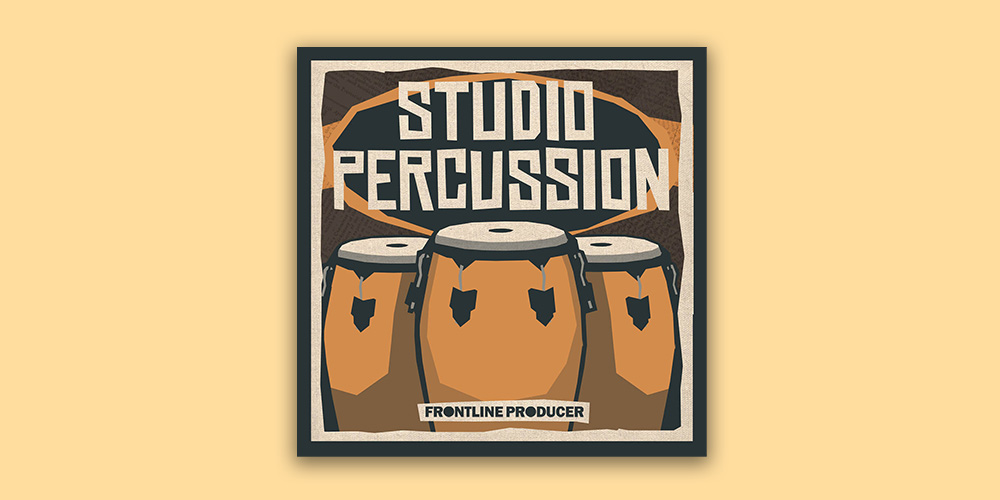
Add the rest in parts that answer each other. A clave pattern, congas with accents and quiet ghost notes, a talking drum or a woodblock all work, each placed in the gaps the others leave. Afrobeats commonly leans on a 3-2 or 2-3 clave, and a quiet rim shot on the off-beats that nothing else covers ties it together.
The common mistake is stacking every percussion loop on the same beats. Mute everything and bring parts in one at a time, keeping only the ones that fill a gap. Pan them apart so each layer has its own place in the stereo field.
Step 4: Add Swing Without Losing the Pocket
The groove comes from timing, not from more sounds. Apply swing somewhere between 8 and 20 percent to the shakers, hats and percussion, and leave the kick straight so the pattern has something to push against.
Played percussion loops already carry this push and pull, which is why they often beat programmed parts. The clave comes from the same family of rhythm heard across Afro-Cuban and Latin music, so Latin packs are a useful source of congas, shakers and claves.
- Swing
- 8-20 percent
- Apply to
- Shakers, hats, percussion
- Kick
- Leave straight
- Quantise
- Off or low strength when editing loops
The friction is quantising. Edit a played loop with quantise on and the DAW snaps the micro-timing back to the grid, which removes the groove you bought it for.

Step 5: Write a Bass That Moves With the Kick
Afrobeats bass is round and melodic. Play the root on beat one of each chord change, then use a walking note on beat three to lead into the next root, with the occasional short run for movement.
Leave gaps between notes so the line breathes. A long sustained sub with 808-style slides under a syncopated kick blurs the rhythm, which is the opposite of what the genre needs.
This is also where the log drum comes up. The log drum is the woody, pitched bass that defines amapiano, the South African genre, and it reached Afrobeats through the crossover often called Afropiano. Use it when you want that blend on purpose, not as a default, because it pulls the track toward amapiano straight away.
Step 6: Keep the Melodic Parts Light
Melody in Afrobeats tends to be bright and simple. Clean, highlife-influenced guitar, plucked synths, marimba-style mallets and soft electric piano all work, usually over a short major or minor progression.
Keep these parts rhythmic. A guitar broken into short muted eighths or sixteenths behaves like another percussion layer, which is how it fits with the drums instead of covering them.
The friction is register. Guitars, plucks and shakers all live in the upper mids, so high-pass the melodic parts and pan them away from the busiest percussion, or the top end turns into one bright smear.
Afrobeats is won or lost in the first four bars of drums. Get the tempo, the syncopated kick and the loose percussion right, and the melodic parts only need to stay out of the way.
Frequently Asked Questions
What BPM is Afrobeats?
Most Afrobeats sits between about 100 and 115 BPM, with 105 to 110 the most common area to start. Some records sit a little either side of that. The right number depends on whether the drum pattern makes your head nod, so test the groove before committing.
What is the difference between Afrobeat and Afrobeats?
Afrobeat is the Nigerian style of the 1960s and 1970s associated with Fela Kuti, built on big bands, long jams and jazz and funk influence. Afrobeats, with the s, is the umbrella term for contemporary West African pop that grew through the 2000s and 2010s, drawing on highlife, dancehall, hip-hop and R&B.
What makes Afrobeats sound like Afrobeats?
The drums. A syncopated kick, continuous shakers, a quiet rim and interlocking hand percussion, often built around a clave pattern and sitting slightly loose against the grid. The melody matters, but the percussion is what listeners recognise first.
Is the log drum used in Afrobeats?
The log drum is the signature sound of amapiano, the South African genre, not of Afrobeats. It has crossed over through Afropiano, the blend of the two styles that grew in the early 2020s, so some Afrobeats records use it. Without it, the bass is usually a round sub or a bass guitar.
Related Articles
Best Afrobeats Sample Packs for Producers (2026)
We tested the top Afrobeats and Afro house sample packs for groove authenticity, percussion feel, and how the log drums and melodies sit in a real beat.
Best Latin Sample Packs for Producers (2026)
We tested the top Latin sample packs for reggaeton, Latin trap, and Afro-Cuban production, judging groove authenticity, percussion detail, and mix-readiness.
Best Percussion Sample Packs for Beat Makers (2026)
We tested the top percussion sample packs for groove quality, transient sharpness, stereo placement, and how they fill space around a main drum pattern.

Marcus Vega
Marcus is a hip-hop producer and drum programmer based in Atlanta. He builds beats for independent rappers, licenses tracks through BeatStars, and has been in the top 500 producers on the platform for three years. He judges every sample pack by one question: does it help him finish a beat faster?