
Do This Now
- 1 High-pass everything that is not the kick or the 808. Start at 100Hz and move up.
- 2 Find mud by sweeping a narrow boost through 200Hz to 500Hz, then cut what you found.
- 3 Give the kick and the 808 different frequency homes instead of layering them blindly.
- 4 Cut with a narrow Q, boost with a wide one. Narrow boosts sound artificial.
- 5 Check every EQ decision on a phone speaker before you commit to it.
EQ is the first processor most producers learn and the last one they learn to use well. The instinct is to boost the thing you want to hear more of, which makes the mix louder and more crowded without making anything clearer. The habit that actually improves beats is the opposite one: decide which element owns each part of the spectrum, then remove that range from everything else.
A beat has a small number of genuine frequency conflicts. The kick against the 808, the vocal against the melody, and everything at once in the low mids. Almost all of your EQ time should go to those three.
Step 1: High-Pass Everything That Is Not the Low End
Open every channel that is not the kick or the 808 and put a high-pass filter on it.
Start the filter at 100Hz and raise it slowly while the full beat plays until you hear the element get thin, then back off. A piano loop usually survives a high-pass at 150Hz or higher, a hi-hat loop at 400Hz, and neither will sound different in context.
The friction is that soloed elements always sound worse after this. Judge the change in the full mix, because a sample that sounds thin alone often sounds clearer once the low end belongs to the kick.
- Hi-hats and percussion
- 300-500Hz
- Melodic samples
- 100-200Hz
- Vocals
- 80-100Hz
- Kick and 808
- Leave alone
Step 2: Hunt for Mud in the Low Mids
The 200Hz to 500Hz range is where beats go cloudy, and the fix is subtractive.
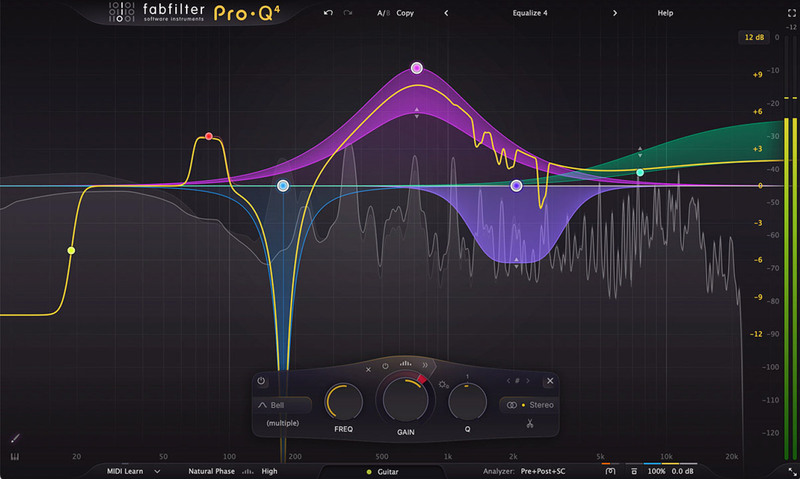
Put a bell filter on a melodic element, boost it by around six decibels with a narrow Q, and sweep slowly through that range. When you hit the frequency that sounds boxy or honking, stop, then flip the boost into a cut of two or three decibels. Repeat on each element that is not carrying the main melody.
The annoyance is that this is tedious and easy to overdo. Cutting the same frequency on six channels leaves a hole in the whole mix, so pick the two or three worst offenders rather than treating everything.
Step 3: Split the Kick and the 808
These two are the biggest conflict in modern beats because they both want the bottom octave.
Decide which one carries the sub. In most trap the 808 owns everything below 80Hz and the kick is high-passed above it, keeping only its body and click.
In boom bap the kick usually owns the low end and the bass sits above. Doing neither, and letting both run full range, is why a lot of beats sound flabby.
- Trap 808
- Owns below 80Hz
- Trap kick
- High-passed at 80Hz, click at 2-4kHz
- Boom bap kick
- Owns 60-100Hz
- Bass
- High-passed above the kick
EQ handles the frequency overlap and does nothing about the timing overlap, which is what sidechaining is for.
Step 4: Cut Narrow, Boost Wide
The shape of an EQ move matters as much as the frequency.
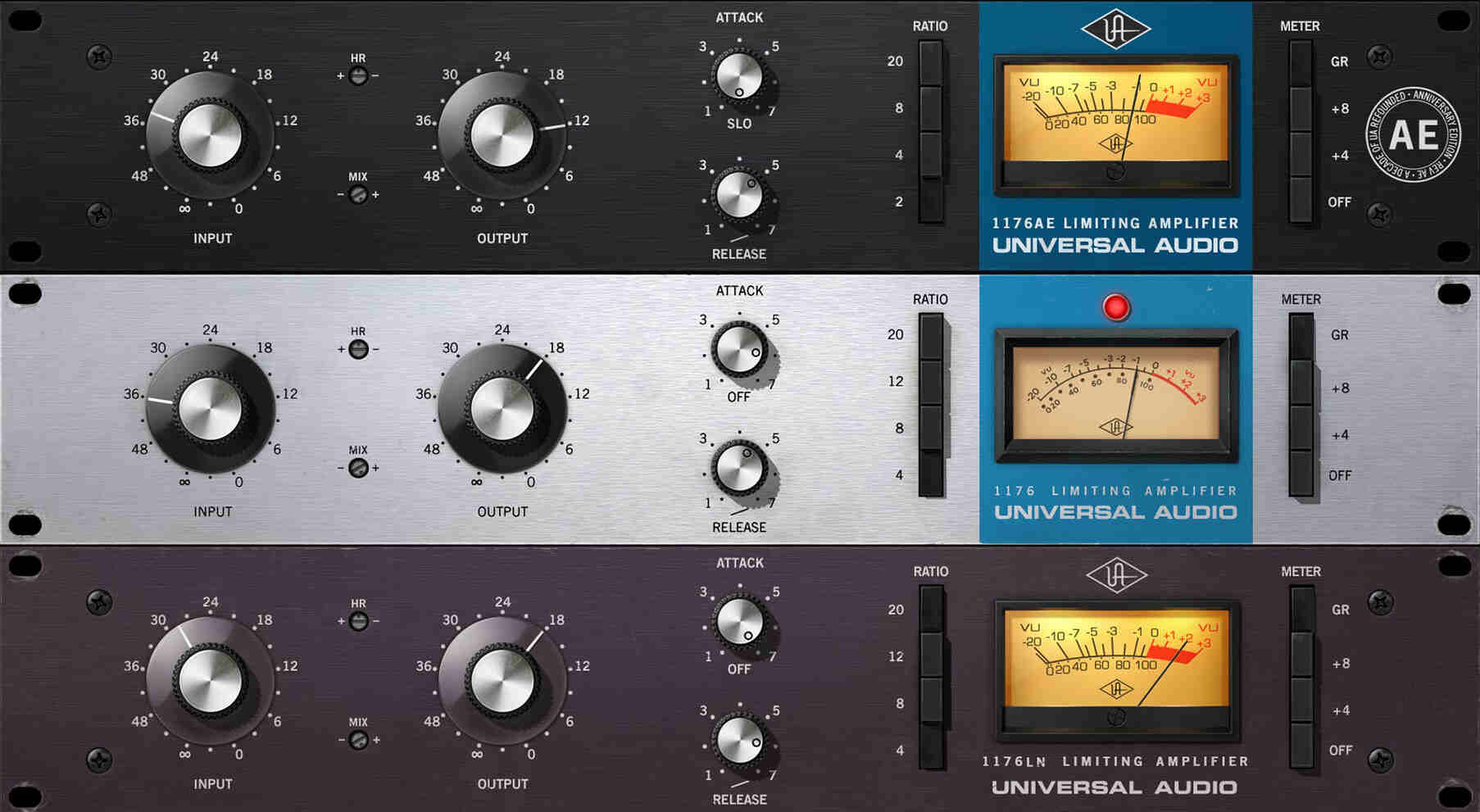
A narrow cut removes a specific problem, like a resonant ring in a snare, and the ear barely registers the missing band. A narrow boost does the opposite and sounds obviously processed, because natural sounds do not have spikes at single frequencies. When you do boost, use a wide gentle curve of two or three decibels across an octave.
The friction is that wide boosts add level fast. Trim the output down after every boost so you are comparing tone rather than loudness, because louder always wins a blind comparison.
Step 5: Use Dynamic EQ for Intermittent Problems
Some problems only exist some of the time, and a static cut is the wrong tool for those.
If a vocal is harsh only on certain words, or a melody clashes with the vocal only when both play, a dynamic EQ band reduces that frequency when the problem occurs and leaves the rest untouched. Sidechaining the dynamic band from another track lets one element step out of the way automatically.
Step 6: Check It on a Phone
Every decision above needs verifying on a small speaker before you trust it.
A phone reproduces almost nothing below 300Hz, so it tells you whether the harmonics of your 808 are carrying the note. If the low end disappears entirely, the fix is saturation rather than EQ, because you cannot boost frequencies the speaker cannot produce.
Good EQ is mostly restraint. Two or three decisive cuts on the right channels will clear a beat faster than twenty small moves everywhere, and the goal is always to decide who owns what rather than to make everything louder.
Frequently Asked Questions
Should I high-pass everything in a beat?
Everything except the kick and the 808 or bass. A piano sample, a pad, and a hi-hat loop all carry low-frequency content you cannot hear on small speakers but that eats headroom. High-passing them frees room for the elements that need it.
What frequency is mud in a mix?
Usually between 200Hz and 500Hz. This range stacks up quickly because almost every instrument has energy there, and when four elements each contribute a little the total is a cloudy low mid. Cutting two or three decibels on the non-essential parts clears it.
How do I stop the kick and 808 from clashing?
Give them separate frequency ranges rather than both owning the sub. A common split puts the 808 below 80Hz and the kick's body between 80Hz and 150Hz with a sharp click above 2kHz. Sidechaining handles the timing overlap that EQ cannot.
Should I EQ with headphones or speakers?
Make the decisions on whatever you trust most, then check them on the worst speaker you own. Phone speakers reproduce almost nothing below 300Hz, so a beat that only works on headphones will disappear for most listeners. Both checks matter.
Related Articles
Best 808 Sample Packs & Drum Kits for Beat Makers (2026)
Tested 808 sample packs for tuning stability, sub weight, and slide behavior. These are the best 808 kits for trap, hip-hop, and drill production in 2026.
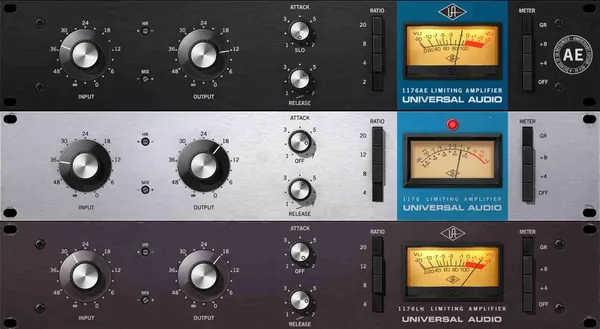
Best Compressor Plugins for Beat Makers (2026)
We tested the top compressor plugins for punch, glue, and character, from FET and VCA to opto and bus compressors, on drums, vocals, and full mixes.
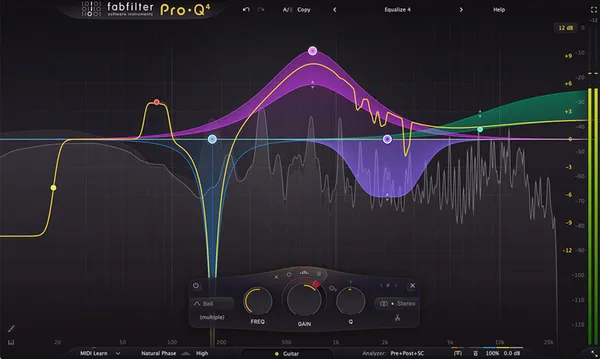
Best EQ Plugins for Producers (2026)
We tested the top EQ plugins for surgical precision, musical tone shaping, CPU load, and how fast they clear space in a busy beat.

Louis Raveton
Louis makes Downtempo, Electro-Dub, and beat-driven music under the names Flagada and Monsieur Shwill. He treats his sample drive like a record collection and has been obsessively hunting textures, breaks, and weird synth patches for over a decade. He also composes for Canal+ animation and LVMH installations, which means he has tested tools under real deadline pressure.