Do This Now
- 1 Presets protect momentum. Stopping to build a patch kills a good idea.
- 2 The cost is originality. Popular banks show up on a lot of tracks.
- 3 Load a preset, then change it. A minute of editing makes it yours.
- 4 Modifying patches teaches sound design while you are still making music.
- 5 Build from scratch when the sound itself is the point of the track.
This argument never really goes away. One camp says presets are lazy and real producers build every sound from scratch. The other says nobody can hear the difference and finishing music is what counts. Both positions miss what actually happens in a working session.
What Presets Give You
The value is speed and momentum.
A preset is a saved state of a synthesizer, every knob position stored so you can recall a finished sound instantly. When an idea is in your head, stopping to build a bass patch from a raw waveform kills the flow.
There is also a quality argument. Preset banks are often made by specialists who know a particular synth far better than a generalist producer does. A well-designed patch carries technique you have not learned yet.
What You Lose by Only Using Presets
The cost is originality and understanding.
If thousands of producers own the same bank, the most obvious patches show up on a lot of tracks. Leaning entirely on stock sounds makes it hard to develop a recognizable identity, which is the thing that eventually separates you from everyone else.
The deeper cost is knowledge. If you never open the synth and change anything, you stay dependent. You cannot fix a patch that is almost right, and you cannot translate a sound you hear in your head into the machine.
The Middle Path Most Producers Use
Here is what actually happens in professional sessions.
You load a preset, then you change it. Adjust the filter, swap the wavetable, retune the envelope, add your own effects. Within a minute the patch is no longer the factory sound.
- Start point
- A preset close to your idea
- First moves
- Filter cutoff and envelope
- Then
- Swap wavetable, add your own FX
- Time cost
- About a minute
This approach also teaches you. Every time you modify a patch and hear what changed, you learn more about how the synth works. Reverse-engineering good patches is one of the fastest ways to build real skill, and it happens while you are making music.
When to Build From Scratch
Design from zero when the sound is the point.
If a track hinges on a signature bass or a texture nobody else has, that is worth the hours. It is also worth doing deliberately as practice, setting aside time to build patches with no deadline attached so the skill develops.
For everything else, start from a preset and bend it. The producers who finish the most music are rarely purists in either direction. They use presets to move fast, modify constantly, and build from scratch when a track genuinely needs something new.
Frequently Asked Questions
Is using presets cheating?
No more than playing a piano someone else tuned. Preset banks are often made by specialists who know a synth far better than a generalist producer, and using their work is a normal part of professional production.
Will my music sound generic if I use presets?
Only if you never modify them. The obvious patches from popular banks do show up on many tracks, so the fix is to load a preset and then change the filter, wavetable, or effects until it is yours.
When should I design a sound from scratch?
When the sound is the point. If a track hinges on a signature bass or a texture nobody else has, that is worth the hours. It is also worth doing deliberately as practice with no deadline attached.
How do I learn sound design without stopping my workflow?
Modify presets as you go. Every time you change a patch and hear the result you learn a little more about the synth, and it happens naturally while you are making music rather than in a separate study session.
Related Articles
Best Massive Presets for Producers (2026)
We tested the top NI Massive preset banks for bass weight, modulation depth, and how cleanly the patches sit in trap, dubstep, and bass-heavy productions.
Best Omnisphere Presets for Producers (2026)
We tested the top third-party Omnisphere preset banks for sound design originality, mix-readiness, and how much of Omnisphere's engine they actually use.
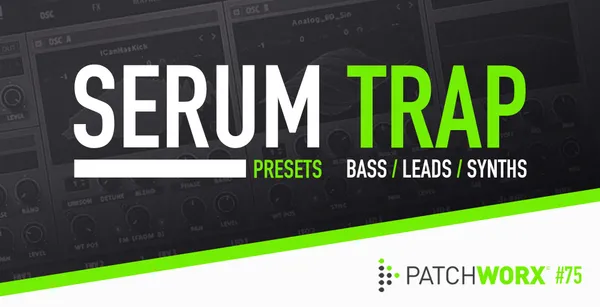
Best Serum Presets for Beat Makers & Producers (2026)
We tested the top Serum preset banks for sound design depth, modulation potential, and how cleanly they sit in modern hip-hop, trap, and electronic mixes.
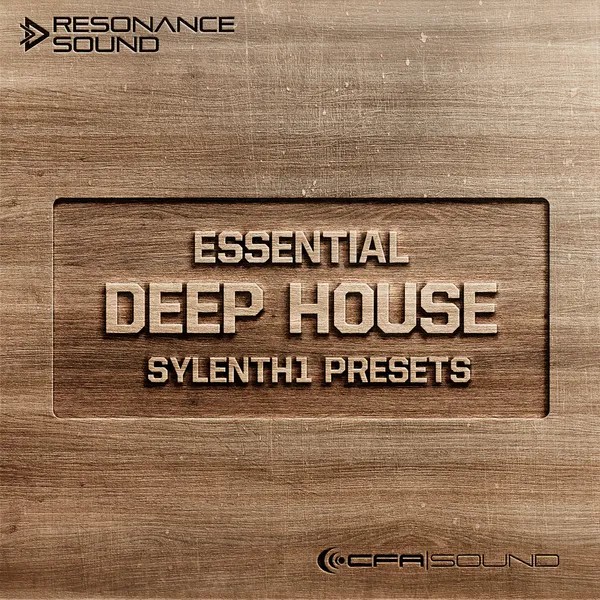
Best Sylenth1 Presets for Producers (2026)
We tested the top Sylenth1 preset banks for analog warmth, mix-readiness, and how well the leads, basses, and plucks sit in house, trance, and techno.
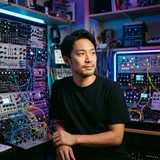
Kai Tanaka
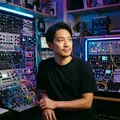
Kai produces bass music, ambient, and experimental electronic tracks. He has released on independent labels across Europe and designs preset banks for synth developers. He approaches every plugin like a modular patch — always looking for new ways to reshape sound and build textures nobody has heard before.