
Do This Now
- 1 Lay a steady 16th-note base before adding a single roll.
- 2 Limit rolls to two or three spots per four bars so they still land.
- 3 Vary velocity. Identical volume on every hit is what sounds robotic.
- 4 Pitch hats up across a roll to lift into the next section.
- 5 Drop the hats out entirely for a beat. Silence is part of the rhythm.
Watch the technique in action, then read on for the details.
Hi-hats are where a lot of trap beats fall apart. Anyone can put a hat on every sixteenth note, but that is not what makes a pattern feel alive. The difference between a beat that bounces and one that sounds like a robot comes down to a few habits.
Step 1: Build a Simple Foundation
Before you add any rolls, lay down a steady sixteenth-note pattern.
This is your grid. Play it back and make sure the sound itself is good, because a harsh or thin hi-hat sample ruins everything you build on top of it.
If your hats sound cheap in isolation, the problem is the source. A better drum kit fixes that faster than any amount of programming.

Step 2: Add Rolls in the Right Spots
Rolls are the fast bursts that give trap its motion, and the mistake beginners make is adding them everywhere.
A roll only lands if it contrasts with steadier material around it. Pick two or three spots per four bars, usually leading into a new phrase or right before the snare.
- Roll types
- Triplets and 32nd bursts
- Frequency
- 2-3 per four bars
- Best placement
- Leading into a new phrase
- Think of them as
- Punctuation, not filler
Used sparingly, rolls feel intentional. Used constantly, they become noise that tires the listener.
Step 3: Vary the Velocity
This is the single most important trick in the whole process.
Go through and lower the velocity on the off-beats and on the notes inside your rolls. Let the main pulses stay loud and the in-between hits sit quieter. That rise and fall is what the ear reads as a human playing.
- Main pulses
- Loud, full velocity
- Off-beats
- Noticeably quieter
- Roll notes
- Lower, often rising
- Randomization
- A few percent, no more
Most DAWs let you draw velocity quickly or randomize slightly. Keep randomization small or the groove loses its shape and starts to feel sloppy rather than human.
Step 4: Use Pitch and Panning
Trap producers often pitch individual hats up or down across a roll to create a small melodic sweep.
Try raising the pitch on the last few notes of a fast roll so it lifts into the next section. You can also pan hats slightly left or right to open the stereo image, as long as the main pulse stays centered.
Step 5: Leave Space
The final habit is restraint.
Not every bar needs to be full. Dropping the hats out for a beat and bringing them back with a roll creates contrast that makes the whole pattern hit harder. Once you stop treating hi-hats as constant timekeeping and start treating them as a performance, your beats immediately sound more professional.
Frequently Asked Questions
Why do my hi-hats sound robotic?
Almost always velocity. If every hit lands at the same volume the pattern reads as machine-generated no matter how clever the rhythm is. Lower the velocity on off-beats and on notes inside rolls.
How fast should trap hi-hat rolls be?
Triplets and thirty-second-note bursts are the standard tools. The speed matters less than the placement, because a roll only works if it contrasts with steadier material around it.
How many hi-hat rolls should a beat have?
Two or three per four bars is a good ceiling. Rolls function as punctuation that leads the ear forward, so using them constantly turns them into noise the listener tunes out.
Should I pan my hi-hats?
You can pan them slightly to open the stereo image, but keep the main pulse centered so the groove stays anchored. Wide hats with nothing in the middle make a beat feel unstable.
Related Articles
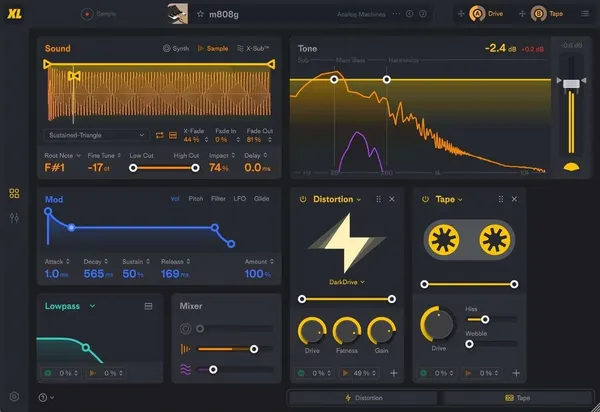
Best Drum Machine Plugins for Beat Makers (2026)
We tested the top drum machine and 808 plugins for punch, tuning control, and how fast they program a knocking beat without loading a single sample.
Best One-Shot Drum Kits for Programming (2026)
We tested the top one-shot drum kits and tools for transient quality, tuning consistency, and how cleanly the kicks, snares, and hats layer when you program beats.

Best Trap Sample Packs for Beat Makers (2026)
808 kits, trap hi-hats, and melody loops. We tested the top trap sample packs for sound quality, usability rate, and mix-readiness in real beat sessions.

Marcus Vega
Marcus is a hip-hop producer and drum programmer based in Atlanta. He builds beats for independent rappers, licenses tracks through BeatStars, and has been in the top 500 producers on the platform for three years. He judges every sample pack by one question: does it help him finish a beat faster?