
Do This Now
- 1 Pick good sounds first. No plugin chain rescues weak samples.
- 2 Balance every fader before you open a single EQ or compressor.
- 3 Use EQ to remove what is in the way, not to boost what you want.
- 4 Compress gently. If you clearly hear it working, it is too much.
- 5 Keep reverb off the kick and 808. Check the mix on three speakers.
Watch the technique in action, then read on for the details.
Mixing scares people, and I understand why. Open any forum and you drown in contradictory advice about compressor ratios nobody can actually hear. The truth is that a beginner beat gets ninety percent of the way there with a handful of moves in the right order.
Step 1: Start With Good Sounds
The best mixing decision happens before you touch a fader.
If your drums are weak and your samples are muddy, no plugin chain saves them. Choosing strong, well-recorded sounds means the mix is half done before it starts. A punchy kick and a clean 808 need almost nothing. A thin kick needs a fight you will probably lose.

Step 2: Balance the Levels
Before any EQ or compression, just set your volumes.
Pull every fader down, then bring elements up one at a time starting with the most important, usually the kick and 808. Get those sitting together, then add the snare, then hats, then melody.
- Order
- Kick and 808 first
- Then
- Snare, hats, melody, extras
- Reference check
- Headphones and phone
- Rule
- No plugins until this sounds right
Most mix problems are balance problems in disguise. A rough mix that is well balanced beats a heavily processed one that is not.
Step 3: Carve Space With EQ
Now the low end, which is where beats usually fall apart.
Your kick and 808 both want the bottom and they will clash. Give the 808 the deep sub and roll the very bottom off the kick. On the melody and other elements, cut a little of the low mids if the mix feels cluttered or boxy.
EQ at this stage is mostly subtraction. Removing what is in the way cleans a mix far faster than boosting what you want to hear.

Step 4: Add Compression Gently
Compression controls dynamics and glues things together, but beginners almost always use too much.
On individual drums, a touch adds punch. On the 808, light compression keeps it steady so it does not jump out on some notes and vanish on others.
If you can clearly hear the compressor working, you have gone too far. Aim for control you feel more than hear.
Step 5: Effects and the Final Check
Reverb and delay add depth, but keep them off the kick and 808.
Those elements stay dry and up front. Put a little space on the melody, the snare, or vocals instead.
Finally, and this matters more than any plugin, check your mix on multiple speakers. Headphones, laptop, phone, car if you can. A beat that only sounds good in one place is not mixed yet, and chasing consistent translation teaches you more than any tutorial.
Frequently Asked Questions
What order should I mix in?
Balance levels first, then EQ to carve space, then light compression, then effects. Most mix problems are actually balance problems, so getting the faders right solves more than any plugin will.
Should I put reverb on my 808?
No. Keep the kick and 808 dry and up front. Reverb on low-frequency elements smears the low end and makes the whole mix feel muddy. Put space on the melody, snare, or vocals instead.
How do I know if I am over-compressing?
If you can clearly hear the compressor working, you have gone too far. Compression should feel like control rather than an obvious effect, especially on individual drums and bass.
Why does my mix sound different in the car?
Every speaker system emphasizes different frequencies. A beat that only sounds good in one place is not mixed yet. Check on headphones, a laptop, and something with real low end before calling it done.
Related Articles

Best 808 Sample Packs & Drum Kits for Beat Makers (2026)
Tested 808 sample packs for tuning stability, sub weight, and slide behavior. These are the best 808 kits for trap, hip-hop, and drill production in 2026.
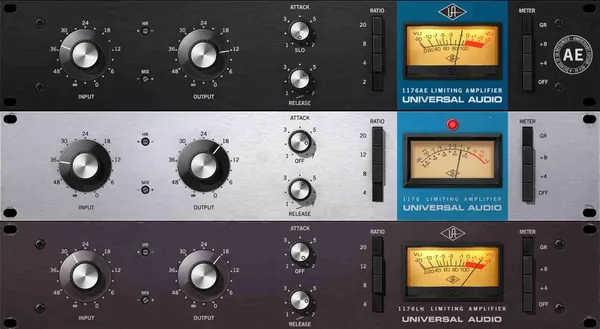
Best Compressor Plugins for Beat Makers (2026)
We tested the top compressor plugins for punch, glue, and character, from FET and VCA to opto and bus compressors, on drums, vocals, and full mixes.
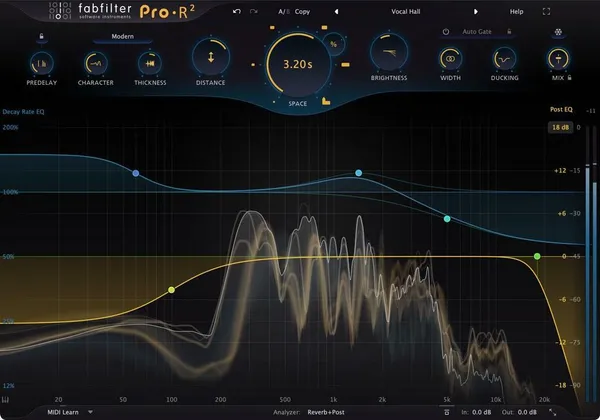
Best Reverb Plugins for Producers (2026)
We tested the top reverb plugins for tail character, CPU load, and how naturally they add space to drums, vocals, and melodies in a modern beat.

Best Trap Sample Packs for Beat Makers (2026)
808 kits, trap hi-hats, and melody loops. We tested the top trap sample packs for sound quality, usability rate, and mix-readiness in real beat sessions.

Louis Raveton
Louis makes Downtempo, Electro-Dub, and beat-driven music under the names Flagada and Monsieur Shwill. He treats his sample drive like a record collection and has been obsessively hunting textures, breaks, and weird synth patches for over a decade. He also composes for Canal+ animation and LVMH installations, which means he has tested tools under real deadline pressure.