
Do This Now
- 1 Set your project to 140 BPM and write the drums as if it were 70.
- 2 Kick on the one, snare or clap on beat three. That is your anchor.
- 3 Tune the 808 to the root of your melody before writing any bass.
- 4 Vary hi-hat velocity so the pattern breathes instead of machine-gunning.
- 5 Mute elements under the hook. Contrast is what makes the drop land.
Watch the technique in action, then read on for the details.
Everyone thinks the hard part of a trap beat is the melody. It is not. The hard part is getting the drums to sit right so the whole thing knocks on a phone speaker and in a car. I have made thousands of these, and the process barely changes. Here it is from an empty session.
Step 1: Set Tempo and Feel
Set your project to 140 BPM and leave it there.
Trap drums are written in half-time, so the track feels slower than the number suggests. If you write the hats as if the song were 70 BPM, you get the heavy, dragging pocket that defines the genre. Do not overthink this, because you can always nudge it later once the beat has a direction.
Step 2: Program the Core Drums
Lay your kick on the one, then find a second placement that lines up with where the 808 will slide. Put your snare or clap on beat three. That backbeat is the anchor a rapper writes to, so keep it consistent and loud.
Then add an open hi-hat somewhere in the second half of the bar for movement.
- Kick
- Beat one plus one syncopated hit
- Snare or clap
- Beat three, consistent
- Open hat
- Second half of the bar
- Sample quality
- Fix at the source, not with EQ
The quality of your one-shots matters more than beginners believe. If your drums sound thin in isolation, no amount of corrective EQ saves them.

Step 3: Build the 808 Pattern
The 808 is the bass and the melody at once in trap.
Load a clean 808 and write a simple root-note pattern that follows your kick. Then add the slides. Glide between two notes with portamento so the 808 slurs from one pitch to the next. That slur is the sound people associate with modern trap and drill.
Keep it in key. If the melody is in F minor, the 808 root is F. A detuned 808 fighting the melody is the single most common reason a beat sounds amateur even when everything else is strong.
Step 4: Add Hi-Hat Rolls
Trap hats are rhythm, not just timekeeping.
Start with steady sixteenth notes, then pick two or three spots for faster rolls. Triplets and thirty-second-note bursts create the rolling motion.
- Base pattern
- Steady 16th notes
- Roll types
- Triplets and 32nd bursts
- Rolls per 4 bars
- Two or three, no more
- Velocity
- Vary it, never all at 127
If every hit lands at full volume the ear gets tired within four bars. Velocity variation is what separates a human-sounding pattern from a machine gun.
Step 5: Drop In a Melody
Pull in a melody loop or play a simple minor progression on a bell, pluck, or dark pad. Four chords is plenty.
The melody sets the mood but should leave room for a vocalist. Space is not laziness, it is the thing that makes a beat usable.
Step 6: Arrange and Leave Space
A finished beat needs an intro, a main section, and moments where elements drop out.
Mute the 808 under the hook for two bars, then bring it back harder. Silence is a tool, and the contrast is what makes the drop feel heavy. Once the arrangement works, the beat is done. Refine after that, not before.
Frequently Asked Questions
What BPM should a trap beat be?
Most modern trap sits between 130 and 150 BPM, with 140 being the safest starting point. The drums are written in half-time, so it feels closer to 70 BPM even though the project tempo reads 140.
Why does my trap beat sound thin?
It is usually the source samples rather than your mixing. A weak snare buried under processing never recovers. Start with well-recorded one-shots and most of the thinness disappears before you touch an EQ.
How many chords do I need for a trap melody?
Four is plenty, and two often works. The melody sets the mood but has to leave space for a vocalist. Producers who fill every bar end up with beats nobody can rap over.
Should I mix as I go or after the beat is done?
Get the energy and arrangement right first, then refine. Chasing a perfect mix before the idea is finished is the main reason producers end up with hundreds of unfinished projects.
Related Articles

Best 808 Sample Packs & Drum Kits for Beat Makers (2026)
Tested 808 sample packs for tuning stability, sub weight, and slide behavior. These are the best 808 kits for trap, hip-hop, and drill production in 2026.
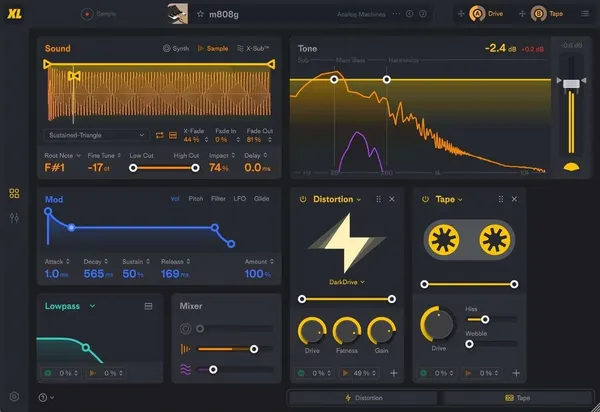
Best Drum Machine Plugins for Beat Makers (2026)
We tested the top drum machine and 808 plugins for punch, tuning control, and how fast they program a knocking beat without loading a single sample.

Best Trap Sample Packs for Beat Makers (2026)
808 kits, trap hi-hats, and melody loops. We tested the top trap sample packs for sound quality, usability rate, and mix-readiness in real beat sessions.

Marcus Vega
Marcus is a hip-hop producer and drum programmer based in Atlanta. He builds beats for independent rappers, licenses tracks through BeatStars, and has been in the top 500 producers on the platform for three years. He judges every sample pack by one question: does it help him finish a beat faster?