
Do This Now
- 1 Judge usability rate, not file count. Big packs are usually padded.
- 2 If the demo sounds thin and generic, the pack behind it will too.
- 3 Buy for the music you actually finish, not the music you imagine making.
- 4 Check key and tempo labeling. Bad labels cost you time on every beat.
- 5 Own fewer packs and know them deeply. Curation beats a warehouse.
I have bought hundreds of sample packs. Most I opened once, pulled a single sound from, and never touched again. That is the dirty secret of this hobby. The marketing sells you a thousand loops, but you finish beats with maybe twenty sounds you love. Here is how I decide now.
Judge Usability, Not Quantity
A pack advertising a thousand files is not better than one with two hundred. It is usually worse.
Big packs get padded with filler, variations nobody needs, and half-baked ideas included to hit a number. What matters is the usability rate, meaning the percentage of sounds you would genuinely drop into a session.
Before I buy, I try to guess that rate from the demo. If the demo already sounds thin and generic, the pack behind it will too. Trust that instinct, because a pack rarely surprises you in a good way afterwards.
Listen for Character, Not Just Cleanliness
Technically clean is not the same as inspiring.
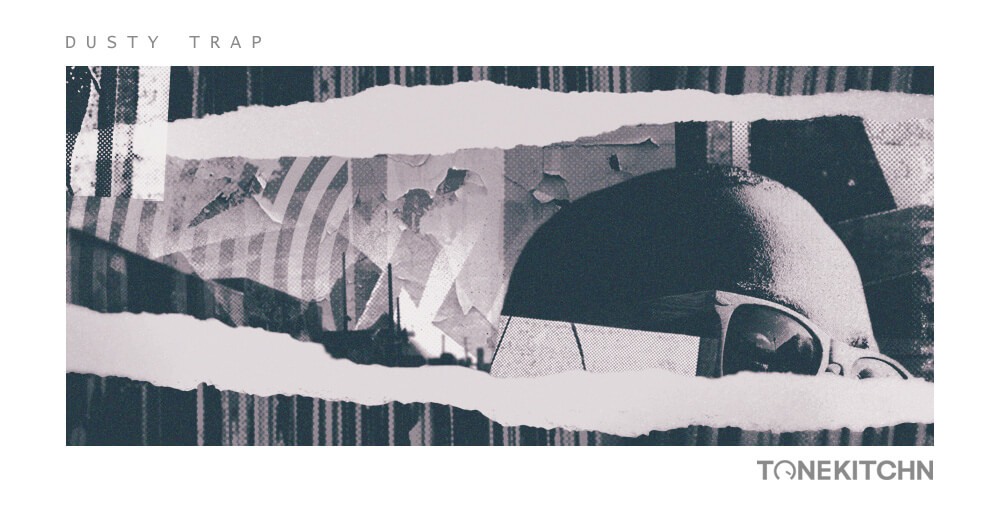
I want sounds with weight, dust, warmth, something that makes me want to sit down and build. A pristine snare that sounds like every other snare is useless to me. A slightly broken, gritty one with a bit of rust on it can start a whole track.
This matters most in lo-fi and textured genres, where the imperfection is the appeal. A pack full of spotless sounds fights the vibe you are building.
Match the Pack to What You Actually Make
It is easy to buy a gorgeous ambient pack because the demo is beautiful, then realize you make trap and will never open it.
Be honest about the music you finish, not the music you imagine making. If ninety percent of your output is hard-hitting hip-hop, spend your budget on drums, 808s, and melody loops that serve that.
- Budget priority
- Your most-used category
- Ignore
- Genres you admire but never finish
- Best value
- Kits used across dozens of beats
- Worst value
- A pretty pack outside your lane
The right 808 kit pays for itself across dozens of beats. A pack outside your lane is a bookmark you never return to.
Check the Key and Tempo Labeling
Boring but important.
A melody pack with wrong or missing key labels wastes your time on every beat. I have abandoned otherwise good packs because I had to ear-tune everything. Proper labeling signals a label that respects the producer's workflow.
Buy Less, Use More
My honest advice after all these years is to own fewer packs and know them deeply.
When you have five kits you love inside out, you reach for the right sound instantly instead of browsing for an hour and making nothing. A curated shelf beats a warehouse of sounds you have never heard.

Frequently Asked Questions
Are bigger sample packs better value?
Usually the opposite. Large packs are often padded with filler and variations nobody needs to hit an advertised number. A tight pack where most sounds are usable beats a bloated one every time.
What is a usability rate?
The percentage of sounds in a pack you would genuinely drop into a session. It is the metric that actually matters, because a thousand-file pack where you like twenty sounds is worse than a two-hundred-file pack where you like eighty.
How can I judge a pack before buying?
Listen to the demo carefully. If it already sounds thin or generic, the pack will too. Packs rarely surprise you in a good way after the demo, so trust that first impression.
Why does key labeling matter so much?
A melody pack with wrong or missing key labels forces you to ear-tune every loop, wasting time on every single beat. Accurate labeling signals a label that respects the producer's workflow.
Related Articles
Best 808 Sample Packs & Drum Kits for Beat Makers (2026)
Tested 808 sample packs for tuning stability, sub weight, and slide behavior. These are the best 808 kits for trap, hip-hop, and drill production in 2026.
Best Hip-Hop Melody Loops & Loop Kits (2026)
We tested the top hip-hop melody loop packs for key accuracy, chord character, and how many loops actually make you want to start a beat.
Best Lo-Fi Sample Packs for Chill Beat Makers (2026)
Dusty drums, vinyl crackle, and tape-warped melodies. We tested the top lo-fi sample packs for texture quality, inspiration rate, and real beat session usability.

Best Trap Sample Packs for Beat Makers (2026)
808 kits, trap hi-hats, and melody loops. We tested the top trap sample packs for sound quality, usability rate, and mix-readiness in real beat sessions.

Louis Raveton
Louis makes Downtempo, Electro-Dub, and beat-driven music under the names Flagada and Monsieur Shwill. He treats his sample drive like a record collection and has been obsessively hunting textures, breaks, and weird synth patches for over a decade. He also composes for Canal+ animation and LVMH installations, which means he has tested tools under real deadline pressure.